
Study Abroad and International Experience
Travelling to New Zealand and Fiji, through the Study Abroad progam, I examined how human health and environmental outcomes are shaped by the interaction of social organizations, culture, technology, and globalization.
New Zealand
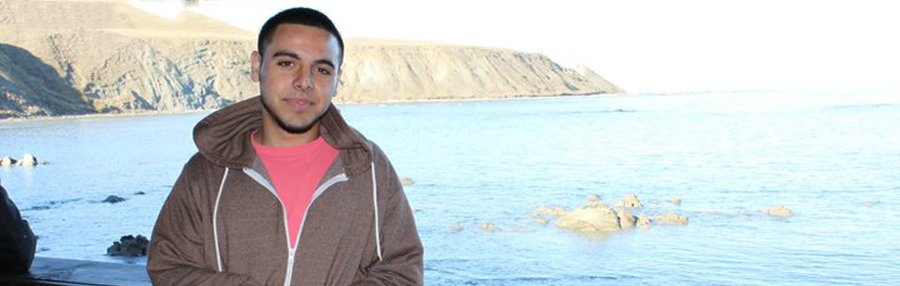
New Zealand is a mountainous island nation, and it covers about 103,000 square miles. It is located in the South Pacific, about 1,000 miles southeast of Australia. The country’s indigenous name is Aotearoa, meaning “Land of the Long White Cloud”. Its two main landforms are the North and South Island. It has a temperate climate, with plenty of sunshine, adequate rainfall, and a few extremes in weather.
I spent 22 days in New Zealand, visiting Christchurch, Wellington, Blenheim, Central North Island, Kaikora, Waikato, and Waitanguru village. By studying specific regions in New Zealand, I acquired new insights and perspectives on the challenges of providing equitable and effective health care. I also gained experience in preserving the quality of the natural environment, producing and consuming food appropriately, and living sustainably. The unique Mauri culture and environment of New Zealand is very different from that of the United States. According to the socialized health care system of New Zealand, it contrasts with the mixed model of the U.S. system. It is much better in many aspects, while everyone in New Zealand is covered and treated in any emergency, even if you are a tourist or unemployed. The beautiful landscape, mountains, and bodies of water are fascinating and it is maintaining its ‘clean’ and ‘green’ reputation. On the other hand, the country is also struggling with sustainable agriculture in the global system of food production.
Fiji
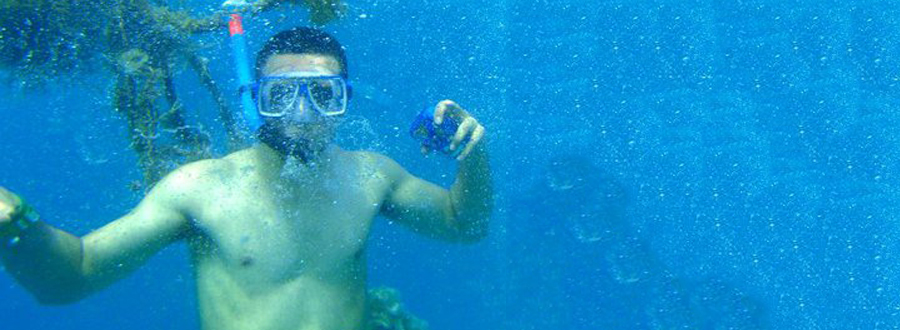
Fiji is comprised of over 300 island, and is located in the southwestern Pacific, north of New Zealand. It covers over 7,000 square miles, which is about the same size of Hawaii or New Jersey. The larger Fijian islands are volcanic, mountainous, and surrounded by coral reefs. The southeastern sides of the islands are covered with dense tropical forests, while the northwestern sides consist of grassy plains that receive less rain. The climate is humid and tropical, having the rainy season from November to April, when violent hurricanes are possible. Due to the small size and remoteness of Fiji and the Pacific, they are extremely vulnerable to climate changes.
I spent 8 days in Fiji, visiting the beautiful Mana Island and Votua Village on the Coral Coast. We spent time in the Fiji Hospital and local clinics, talking to doctors and assistants, learning more about their health care. There is usually little disease in Fiji, yet with the rapid outbreak of Typhoid Fever and Dengue fever, the water supply was not safe to drink. The government provides most of the medical care through local clinics, accessible to villages and towns. In Votua Village, I stayed with the village Chief and his son, and he described the community’s efforts to improve their natural resources and collect safe water to use and drink. The village recently started using new filtration methods for safe water, as well as septic tanks, connecting sewage pipes, to make it easier to dispose of natural waste. In our short visit, we studied the Island environments, climate change, and the well-being of the Fijians. We learned a lot became very close with the villagers, while participating in traditional dances and fun activities during our stay, not mentioning the delicious food.